
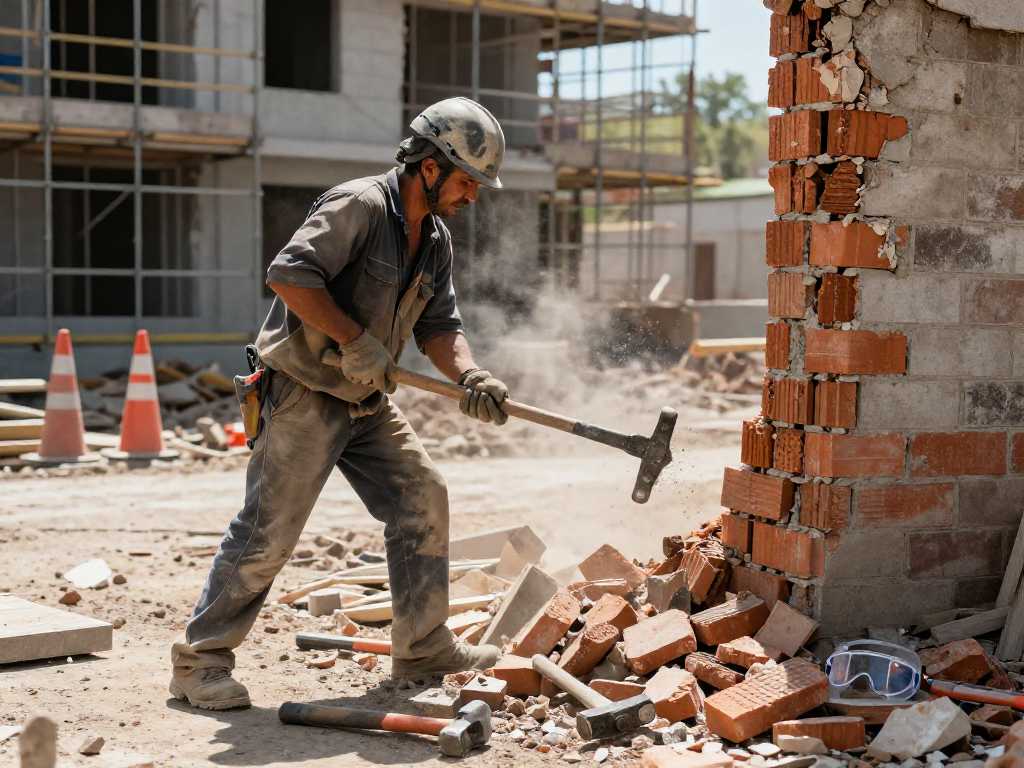
The Versatility of the Fubar Wrecking Bar
The fubar wrecking bar, an essential tool for both construction professionals and DIY enthusiasts, serves as a reliable solution for a variety of demolition tasks. With its unique design and robust structure, it efficiently handles the demands of heavy-duty work while providing the versatility needed for lighter jobs. Understanding its applications and advantages can empower users to tackle projects with confidence and efficiency.
What is a Fubar Wrecking Bar?
A fubar wrecking bar, often referred to simply as a "fubar," is a multi-functional demolition tool that features a long, sturdy metal body. It combines the characteristics of a crowbar and a pry bar, typically designed with a flattened end on one side for prying and a sharper end for puncturing or removing materials. This combination allows it to excel in various applications, making it a staple in workshops and job sites alike.
Common Uses in Construction and DIY Projects
The applications of the fubar wrecking bar are extensive. In construction, it is commonly used to remove nails, demolish walls, and pry apart materials. Homeowners undertaking DIY renovations often find it invaluable for tasks like removing floorboards, lifting heavy objects, or breaking apart concrete structures. Its versatility allows it to effectively handle wood, masonry, and metal, making it suitable for numerous applications.
Benefits Over Traditional Demolition Tools
Compared to traditional demolition tools such as hammers or standard crowbars, the fubar wrecking bar offers significant advantages. Its design allows for better leverage and force application, making demolition tasks quicker and less labor-intensive. Furthermore, the enhanced grip and durability of the material used in manufacturing these wrecking bars ensure a longer lifespan and reduced user fatigue. When exploring options, fubar wrecking bar provides comprehensive insights into the variations available for different professional needs.
Choosing the Right Fubar Wrecking Bar for Your Needs
Selecting the appropriate fubar wrecking bar requires consideration of various factors to ensure it meets your specific requirements. This can range from the size and weight of the tool to the material it's made from, each impacting its functionality and performance in different scenarios.
Factors to Consider When Buying
- Length and Weight: Choose a length that provides enough leverage for your intended task while ensuring the weight is manageable for prolonged use.
- Material: High-carbon steel is preferred for its strength and resistance to bending or breaking during rigorous tasks.
- End Design: Depending on your needs, look for features such as a chisel or claw end for added functionality.
- Grip: A textured or rubberized handle can enhance control and comfort during operation.
Comparison of Top Brands in 2026
As of 2026, several brands stand out in the production of high-quality fubar wrecking bars. Stanley, known for its reliability and innovation, offers a range of wrecking bars that cater to both professional and casual users. Other brands, such as DeWalt and Milwaukee, also provide competitive options that feature ergonomic designs and durable materials. Comparing warranty offerings and user reviews can help ensure you choose a product that aligns with your specific needs and budget.
User Reviews and Performance Insights
User feedback is invaluable when assessing the performance of fubar wrecking bars. Many reviews highlight the effectiveness of these tools in both professional and DIY settings, with users noting the superior leverage and sturdiness during tough jobs. Common themes in positive reviews include ease of use, versatility, and durability, which reinforce the fubar wrecking bar's reputation as a go-to tool for demolition work.
Best Practices for Using a Fubar Wrecking Bar
Employing best practices when using a fubar wrecking bar can significantly enhance its effectiveness and ensure safety during use. Proper technique can lead to more efficient work and a reduced risk of injury.
Safety Precautions to Keep in Mind
- Always wear safety goggles: Protect your eyes from debris when using the tool.
- Use gloves: Wearing gloves can prevent cuts and blisters, offering a better grip and support.
- Check your surroundings: Ensure the area is clear of hazards and that you have a stable footing before beginning any demolition work.
Techniques for Effective Demolition
To maximize the effectiveness of a fubar wrecking bar, consider employing techniques such as:
- Pry with force: Position the bar securely under the material and utilize your body weight to apply force for better leverage.
- Wiggle the bar: Gentle wiggling can help loosen stuck materials and allow for easier removal.
- Leverage angles: Use varying angles to increase the effectiveness of your prying efforts, particularly with stubborn materials.
Maintenance Tips for Longevity
To extend the life of your fubar wrecking bar, perform regular maintenance. Keep the bar clean and free from rust by wiping it down after use and storing it in a dry place. If the tool shows signs of wear or damage, consider filing down any rough edges to maintain performance.
Common Challenges and Solutions
Despite its robustness, using a fubar wrecking bar can present challenges, particularly for those new to demolition work. Recognizing these challenges and understanding how to overcome them can lead to a more positive experience.
Addressing Misconceptions About Demolition Tools
Many novice users harbor misconceptions about the capabilities of a fubar wrecking bar. Some believe it is only suited for heavy-duty applications, while in reality, it excels in both light and medium-duty tasks. Educating users on its versatility can lead to more widespread adoption across various projects.
Overcoming Resistance in Various Materials
One challenge when utilizing a fubar wrecking bar is dealing with resistance in different materials, such as hardwood or layered structures. Employing the correct technique, such as using the sharp end for piercing and the flat end for leverage, can enhance effectiveness.
Professional vs. DIY Use Cases
Professionals often rely on fubar wrecking bars for frequent, intensive use, whereas DIY enthusiasts may appreciate the tool's efficiency for one-off projects. Understanding how the tool fits into both categories can help users optimize their approach, whether in a professional setting or during home renovations.
Future Trends in Demolition Tools
As we move forward into 2026 and beyond, the field of demolition tools is set to experience significant advancements. Understanding these trends can help users select the right tools that meet evolving industry standards.
Emerging Technologies in 2026
New technologies such as smart demolition tools with embedded sensors are beginning to hit the market. These innovations allow for real-time feedback on material resistance and structural integrity, ensuring safer and more efficient work practices.
Environmental Considerations and Sustainable Practices
In response to growing environmental concerns, manufacturers are shifting towards more sustainable practices in tool production. This includes using recycled materials and methods that minimize carbon footprints, making the fubar wrecking bar not just a tool, but part of a larger commitment to sustainability.
Expert Predictions for the Next Decade
Experts anticipate that tools like the fubar wrecking bar will evolve, incorporating advanced materials and technology to increase efficiency and safety. The integration of augmented reality in instructional usage and maintenance is also predicted, enhancing user experience and performance.
How does a fubar wrecking bar compare to other demolition tools?
Compared to traditional tools, the fubar wrecking bar offers a unique blend of features that bridge the gap between various demolition needs. Its design facilitates easier manipulation and increased power, making it a preferred choice for many users.
What materials can be effectively demolished using a fubar wrecking bar?
It is effective for a range of materials, including wood, drywall, and even some masonry applications. Users should consider the specific features of their fubar wrecking bar to determine its optimal use.
Are there any limitations to using a fubar wrecking bar?
While versatile, fubar wrecking bars can have limitations, such as difficulty with extremely hard materials or when working in tight spaces. Knowing when to switch to another tool can ensure effective project completion.
What are the most common mistakes when using a fubar wrecking bar?
Common mistakes include improper technique, such as using the wrong end of the bar, and neglecting safety measures. Training users on best practices can mitigate these risks significantly.
Can a fubar wrecking bar be used for non-demolition tasks?
Yes, the fubar wrecking bar's design makes it suitable for non-demolition tasks like opening crates, lifting heavy objects, and even performing leverage-based repairs, highlighting its versatility beyond just demolition.. Additionally, Mister Worker provides further details.