
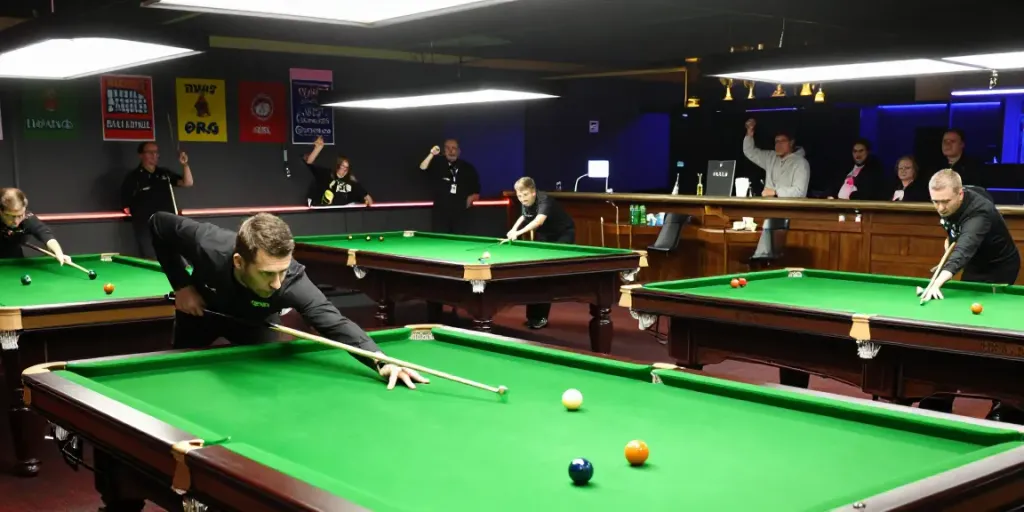
Understanding Snooker Etiquette
In the world of snooker, etiquette plays a crucial role in maintaining the spirit of the game. Good manners on the table not only reflect a player's character but also enhance the overall experience for everyone involved—from players to spectators. Understanding snooker etiquette is key to fostering an environment of respect and camaraderie. As we navigate through 2026, players and enthusiasts alike should be aware of the evolving norms and expectations in the sport. When exploring options, according to Snooker Hub, there are core principles that define acceptable behavior on and off the table.
What is Snooker Etiquette?
Snooker etiquette encompasses a set of unwritten rules and guidelines that govern player conduct, both during matches and in practice. These norms help maintain order and respect among players and officials. Proper etiquette includes being quiet while others are taking their shots, refraining from distracting gestures, and acknowledging good plays made by opponents. By adhering to these standards, players contribute to a positive atmosphere conducive to high-level play.
The Importance of Good Manners on the Table
Good manners on the snooker table can significantly impact the dynamics of a match. They foster respect and appreciation among players, which enhances sportsmanship. When players exhibit courtesy, they create an environment where everyone feels valued. This is particularly important in tournaments where the pressure is high and emotions can run deep. Building a culture of respect ensures that the game remains enjoyable and promotes camaraderie.
Common Misconceptions About Snooker Conduct
Many newcomers to snooker often harbor misconceptions about what constitutes acceptable behavior. Some believe that aggressive or confrontational attitudes may intimidate opponents and lead to victories. However, studies have shown that players who prioritize sportsmanship and respect not only perform better in the long run but also earn greater admiration from peers and fans alike. Understanding that snooker is as much about character as it is about skill can reshape how players approach the game.
Signs of Poor Sportsmanship
Recognizing signs of poor sportsmanship is essential for maintaining a respectful playing environment. Players who disrespect opponents or the game itself can spoil the experience for everyone involved. Awareness of these behaviors can help clubs and organizations implement measures to encourage better conduct among participants.
Identifying Unacceptable Behavior in Matches
Unacceptable behavior in matches includes acts such as openly criticizing an opponent's skills, making disparaging remarks, or failing to adhere to standard rules of conduct. For instance, players should avoid excessive celebrations that may come off as taunting, as this can lead to a negative atmosphere. Referees and club officials must be vigilant in recognizing these actions and addressing them promptly to uphold the integrity of the game.
Effects of Poor Etiquette on Game Dynamics
When poor etiquette permeates the game, it can lead to a breakdown in trust and respect among players. Matches may become contentious, detracting from the enjoyment and sportsmanship that characterize snooker. The psychological impact of poor conduct can influence performance, causing players to become distracted or anxious, ultimately affecting their game. A collaborative approach in fostering good manners is crucial for ensuring that matches remain competitive yet respectful.
Examples from Recent Tournaments
Recent tournaments have highlighted instances of poor sportsmanship that have prompted discussions about etiquette. For example, incidents involving players arguing with referees or exhibiting unsportsmanlike conduct during crucial moments have raised eyebrows. These events serve as a reminder that maintaining composure and respect is vital for the game’s reputation. Learning from these examples can promote better practices and reinforce the importance of etiquette in future competitions.
How to Foster Respectful Gameplay
Promoting respectful gameplay requires a concerted effort from players, coaches, and clubs alike. Establishing clear guidelines and setting expectations can help shape the culture around the game. Here are several effective strategies.
Best Practices for Players and Spectators
- Encourage players to acknowledge great shots from opponents.
- Train spectators to support all players, fostering a positive environment.
- Promote communication among players regarding the rules and proper conduct.
Implementing these best practices can create a supportive environment where players can thrive.
Creating a Positive Club Environment
Clubs play a pivotal role in cultivating a culture of integrity and respect. It is essential for clubs to establish a code of conduct that outlines expected behaviors and consequences for violations. Organizing workshops on sportsmanship can also provide players with the tools to understand and implement proper etiquette. When clubs prioritize these values, they foster an environment where everyone feels comfortable participating.
Training New Players on Proper Etiquette
New players should receive proper training on the importance of etiquette as part of their introduction to the game. Coaches and mentors can provide guidance on acceptable conduct during games and the significance of sportsmanship. Incorporating etiquette training into practice sessions can help ingrained to young players the necessity of maintaining respect for opponents and the sport itself.
Consequences of Ignoring Etiquette
Ignoring etiquette can have serious ramifications for players and the sport. Understanding these consequences is critical for anyone involved in the game.
Disciplinary Actions in Professional Snooker
Professional leagues have instituted strict penalties for players displaying poor etiquette. Actions such as fines, suspensions, or warnings can be imposed based on the severity of the misconduct. Such measures are designed to uphold the integrity of the sport and serve as a deterrent for future violations.
Impact on Player Reputation and Careers
Players known for poor conduct can find their reputations tarnished, which may limit their opportunities in the sport. Sponsors and fans are likely to gravitate towards players who embody sportsmanship. Hence, maintaining a positive public image is essential for long-term success in snooker.
Long-term Effects on Snooker Culture
The long-term implications of ignoring etiquette extend beyond individual players; they impact the broader snooker culture. When disrespectful behavior becomes normalized, it can deter new players from joining the sport. The essence of snooker lies in its blend of skill and respect, and compromising this can threaten its future viability. Thus, instilling a strong sense of etiquette is paramount for the sustainability of the game.
The Future of Snooker Etiquette in 2026
As we look ahead to 2026, the landscape of snooker etiquette is set to evolve further. Changes could arise from new generations of players adapting to modern contexts and varying perspectives on competition.
Emerging Trends in Snooker Conduct
One notable trend is the increasing emphasis on sportsmanship in youth leagues. With a focus on holistic player development, many organizations are prioritizing character-building alongside technical skills. This shift ensures that future players appreciate the importance of etiquette, helping to sustain the sport's integrity.
Role of Technology in Promoting Good Etiquette
Technology may play a crucial role in shaping snooker etiquette. Online platforms and social media can amplify positive role models and promote respectful behavior among players. Additionally, using video analysis tools can help players understand the impact of their behavior during matches, fostering self-awareness and encouraging better conduct.
Expert Predictions for Snooker Etiquette Evolution
Experts predict that the etiquette of snooker will continue to adapt to an increasingly competitive and commercialized environment. As the sport grows internationally, the need for a unified approach to etiquette becomes paramount. Innovations in training and policy implementation may influence how players conduct themselves on and off the table.
What is the 900 rule in snooker?
The 900 rule in snooker refers to a guideline applied in certain competition formats where a player must score a minimum of 900 points over two sessions of play to progress to the next round. This rule ensures a high standard of performance and encourages players to demonstrate their skills effectively.
Who is banned from snooker?
Bans in snooker can arise from various disciplinary actions, often involving breaches of conduct or match-fixing allegations. Prominent players have faced bans in the past, serving as a reminder of the sport's commitment to upholding integrity and sportsmanship. Understanding these regulations is crucial for players at all levels.
What is the kiss rule in snooker?
The kiss rule pertains to a situation where the cue ball makes contact with an object ball while in the act of being potted. Understanding this rule is essential for players, as it can dictate the outcome of a shot significantly. Mastery of such rules enhances gameplay and overall competitiveness.
What are some common terms used in snooker?
Familiarity with snooker terminology is vital for players and fans alike. Common terms include break (the number of points scored in a single visit to the table), cue (the stick used to strike the balls), and safety shot (a shot played to leave the opponent in a difficult position). A solid understanding of these terms contributes to a richer appreciation of the game.